
On average, a woman applies 168 unique ingredients to her skin every day through about 12 different products. This number comes from the 2004 "Exposures Add Up" study by the Environmental Working Group (EWG, 2004) — 168 ingredients before you even sit down for breakfast. Some work. Some are just there to extend the product's shelf life. And some are there because no one ever asked why we still use them.
This text is not meant to cause panic. Nor is it an attack on brands. We simply want to do what few people have time for — to open the same studies and regulations that dermatologists and formulators open, and show you the six ingredients that most often come under question, and how to recognize them on the label.
What does "harmful ingredient" mean when we talk about cosmetics
First, an important point: "harmful" is not a single category.
There is a difference between banned (ingredients from Annex II of EU Regulation 1223/2009 — not allowed in cosmetics on the EU market), restricted (EU prescribes a maximum concentration or limited use), and under question (ingredients that medical and consumer organizations monitor due to risk). The three are not the same, and in this text, we always specify which one we are referring to.
The other thing to know: many of the ingredients we mention fall into a category called endocrine disruptors. The Endocrine Society — the professional association of endocrinologists — defines them as substances in our environment, food, personal care products, and manufactured products that interfere with the normal function of the body's endocrine system. In short: ingredients that disrupt the hormonal system. When the Endocrine Society explicitly names those from personal care products, the list is short and specific — phthalates, parabens, UV filters.
Let's start with the first one.
Parabens — preservatives that mimic estrogen
Parabens — methylparaben, ethylparaben, propylparaben, butylparaben, isobutylparaben, isopropylparaben — are preservatives. Their job is to prevent the growth of microbes and mold in the product. Without some kind of preservative, a cream would spoil in a few weeks.
The problem is not that they do this job. The problem is how they do it.
Parabens have a structure similar to estrogen and can bind to estrogen receptors in the body. The long-term concern is that they have been detected in breast tissue and are linked to endocrine disruption. The latest relevant evidence comes from a study published in the journal Chemosphere in 2023 (Dairkee et al., PubMed 36746253). Researchers asked women to stop using products containing parabens and phthalates for just 28 days. The result, in their words: "a striking drop in cancer-associated phenotypes" in previously healthy breast tissue, along with a measurable reduction in chemical metabolites in urine.
28 days. Not a short time, but not dramatically long either. The change is measurable.
The EU recognized these concerns earlier. Commission Regulation (EU) 1004/2014 restricted propylparaben and butylparaben to a maximum of 0.14% (applicable from April 16, 2015), and banned them in leave-on products for babies under three years old. In parallel, isobutyl-, isopropyl-, phenyl-, benzyl- and pentylparaben are banned by Commission Regulation (EU) 358/2014 — due to a lack of sufficient safety data for re-evaluation. EWG in its "Toxic Twelve" list describes them as ingredients "that disrupt hormones and harm the reproductive system".
The Endocrine Society adds one thing worth remembering: the developing fetus or infant is more vulnerable to smaller exposures. For pregnant women and infants, the same dose has a greater effect.
Recognize on the label: any ingredient ending in -paraben.
Sulfates — why your skin feels "tight" after washing
Sulfates — most commonly sodium lauryl sulfate (SLS) and sodium laureth sulfate (SLES) — are detergents. They create the foam in shampoo, shower gel, or face wash.
One of the most cited in vivo tests is the study by Branco, Lee, Zhai, and Maibach from 2005 from the dermatology department at UCSF, published in Contact Dermatitis. The test showed that SLS "caused irritant contact dermatitis at 3 concentrations (0.025% to 0.075%)". For context: even at 0.025% — a concentration far below what almost all commercial shampoos contain — SLS causes measurable irritant contact dermatitis.
Even more importantly: repeated exposure does not lead to adaptation. In the words of the study, upon repeated exposure, an "immediate and enhanced response" developed in erythema, TEWL, skin color reflection, and LDF. TEWL means "transepidermal water loss" — simply, how much water the skin loses through its barrier. More TEWL means a damaged barrier.
Objectively: the irritation is reversible. If you stop using SLS, the skin returns to normal. No one claims that SLS is "toxic". But if you have dry, sensitive, or scaly skin, or if you wash your children with something containing sulfates every day — the measurable daily disruption of the barrier has significance over time.
INIKA Organic explicitly excludes sulfates from its formulas, by name: sodium lauryl sulfate, sodium coco sulfate, ammonium lauryl sulfate, sodium laureth sulfate, and ammonium laureth sulfate.
Recognize on the label: SLS, SLES, ammonium lauryl sulphate, sodium coco sulphate.
Phthalates — how "fragrance" hides them from the list

This is where things get uncomfortable.
Phthalates are a group of chemicals used as plasticizers and fragrance fixatives. The most common in cosmetics are DEP (diethyl phthalate) and DBP (dibutyl phthalate). DEP extends the duration of fragrance in perfumes, lotions, and shampoos. DBP is used in some nail polishes.
The Safe Cosmetics (Breast Cancer Prevention Partners) campaign describes their health effects directly: "linked to endocrine disruption, developmental and reproductive toxicity, and cancer".
But the problem with phthalates is not just what they do. The problem is how they hide.
In 2002, the "Not Too Pretty" study tested 72 cosmetic products. The result, literally from the report: "found phthalates in nearly three-quarters of the products tested. None of the 72 products tested listed phthalates on their labels". Three-quarters contained them. Zero admitted it.
How? Because of the ingredient parfum (fragrance blend) or fragrance. Under federal law in the US, "fragrance" is a trade secret — each piece of that blend can contain dozens or hundreds of unidentified ingredients. Safe Cosmetics calls this directly: "a significant loophole in federal law that allows phthalates (and other chemicals) to be added to fragrances without an obligation to disclose to consumers".
The EU took a different approach. DBP and DEHP are banned in cosmetics sold in the EU — completely banned, with a list of fragrance allergens that must be declared separately from "parfum".
Recognize on the label: DEP, DBP, DEHP; or the general word parfum / fragrance on a strongly scented product that does not list the fragrance composition.
Formaldehyde and its "false names"
Formaldehyde is classified as a human carcinogen. This is not an opinion — this is a classification. Safe Cosmetics states it clearly: formaldehyde is considered a known human carcinogen by many expert and government bodies, including the American National Toxicology Program (NTP) and the International Agency for Research on Cancer (IARC). Two of the most authoritative bodies in the world for classifying carcinogens.
The EU recognized this and banned it completely. But here an interesting problem arises. If you just ban formaldehyde, the industry bypasses it with something called formaldehyde-releasers. These are preservatives that contain molecules that slowly release small amounts of formaldehyde into the bottle over time — enough to preserve the product, but still technically not "formaldehyde".
Names you should recognize:
- Quaternium-15 — the most sensitizing of all formaldehyde-releasers
- DMDM Hydantoin — found in skincare products, hair products, sunscreen, and makeup removers
- Imidazolidinyl urea
- Diazolidinyl urea — releases the most formaldehyde of all
- Polyoxymethylene urea
Safe Cosmetics describes all of them as "known human allergens".
This means that "formaldehyde-free" on the label guarantees nothing if DMDM Hydantoin is on the list.
Formaldehyde was also named the "2015 American Contact Dermatitis Society Contact Allergen of the Year" — an annual title not awarded without reason. It is most commonly found in shampoos, hair straightening treatments, nail polishes, and — surprisingly — makeup removers and liquid children's soaps.
Recognize on the label: any name containing urea (with the exception of carbamide — which is a moisturizer unrelated to formaldehyde), hydantoin, and quaternium-15.
Synthetic fragrances — the invisible headache for your skin
Fragrance is one of the most common causes of allergic reactions in cosmetics. Contact allergy to fragrances in European patients tested in dermatological clinics is between 4.5% and 14.8%, according to a review by W. Uter in the journal Allergologie Select (2017). In the general population, the number is more contained — "the prevalence of sensitization in the general population ranges between 1% and 3%, according to most studies".
One to three people out of a hundred. Not dramatic — but not zero either. And when you're one of those three, every new product with "parfum" is a roulette.
Here we need honesty: the problem is not synthetic fragrance versus natural. Natural essential oils (citrus oils, linalool, cinnamal, cinnamate) can also be strong allergens. One specific synthetic fragrance — HICC — caused an epidemic of sensitizations around the 2000s due to mass use, and therefore the EU banned it.
The problem is transparency. When the list only says parfum (fragrance blend), you have no information. When it says essential oil of lavender (contains linalool, limonene) — you do. INIKA Organic does the latter: every component of the fragrance is declared, no "parfum" umbrella.
Recognize on the label: if you only see parfum or fragrance without any further specifics, the product is not telling you what you are inhaling.
Oxybenzone and UV filters — not every SPF is the same
Every dermatologist will tell you: wear SPF every day. And that's true. But not every SPF is equally clean.
Oxybenzone (benzophenone-3, BP-3) is a chemical UV filter used in many conventional sunscreens. You've probably heard about Hawaii's 2018 ban — the first statewide ban on sunscreens with oxybenzone and octinoxate in the US. It's important to be clear: Hawaii banned them due to harm to coral reefs. The main scientific paper by Downs et al. (2015), titled "Toxicopathological Effects of Oxybenzone on Coral Planulae", is a toxicological study on corals, not on humans. This deserves to be said.
Why then is oxybenzone still in the conversation about our skin? Because of the same estrogen-mimicking mechanism, documented in mammals as well. Downs and colleagues explain it directly: oxybenzone can produce harmful effects in mammals and fish by mimicking estrogen in the body and disrupting the endocrine system, which produces and regulates hormones.
And how much of this ingredient actually ends up in the body? A lot. Calafat and colleagues (2008, Environmental Health Perspectives, based on NHANES 2003–2004) measured benzophenone-3 in the urine of a representative sample of 2,500 Americans. The finding: oxybenzone is readily absorbed into the body and is present in 97% of tested Americans. 97%. That's what the US CDC calls "widespread exposure". Women and girls had higher concentrations — likely because they use more cosmetic products with SPF.
The simple alternative path: mineral SPF. Zinc oxide or titanium dioxide. They sit on the surface of the skin instead of being absorbed. Fewer questions about hormonal effects, same or better spectrum of protection. For children and pregnant women especially — mineral SPF is a cleaner choice.
Recognize on the label: benzophenone-3, oxybenzone.

Why the EU standard is closer to us than you think
North Macedonia aligns its cosmetic regulations with the EU through the approximation process. This means that although we don't have our own "European" regulation, most of what is banned in the EU is also banned here.
What does EU Regulation 1223/2009 say? Its foundation, Article 3, is one sentence worth reading slowly:
"A cosmetic product made available on the market shall be safe for human health when used under normal or reasonably foreseeable conditions of use."
The product must be safe. From this sentence arise thousands of pages: Annex II with about 1,700 banned substances, Annex III with restricted ones, Annex V with permitted preservatives.
That's why, when you buy a product formulated for the EU market, you already have a certain layer of protection. Not complete — but significantly closer to what we would want from our own cosmetics.
How we at NOMI & YOU choose brands
This is why we do this work.
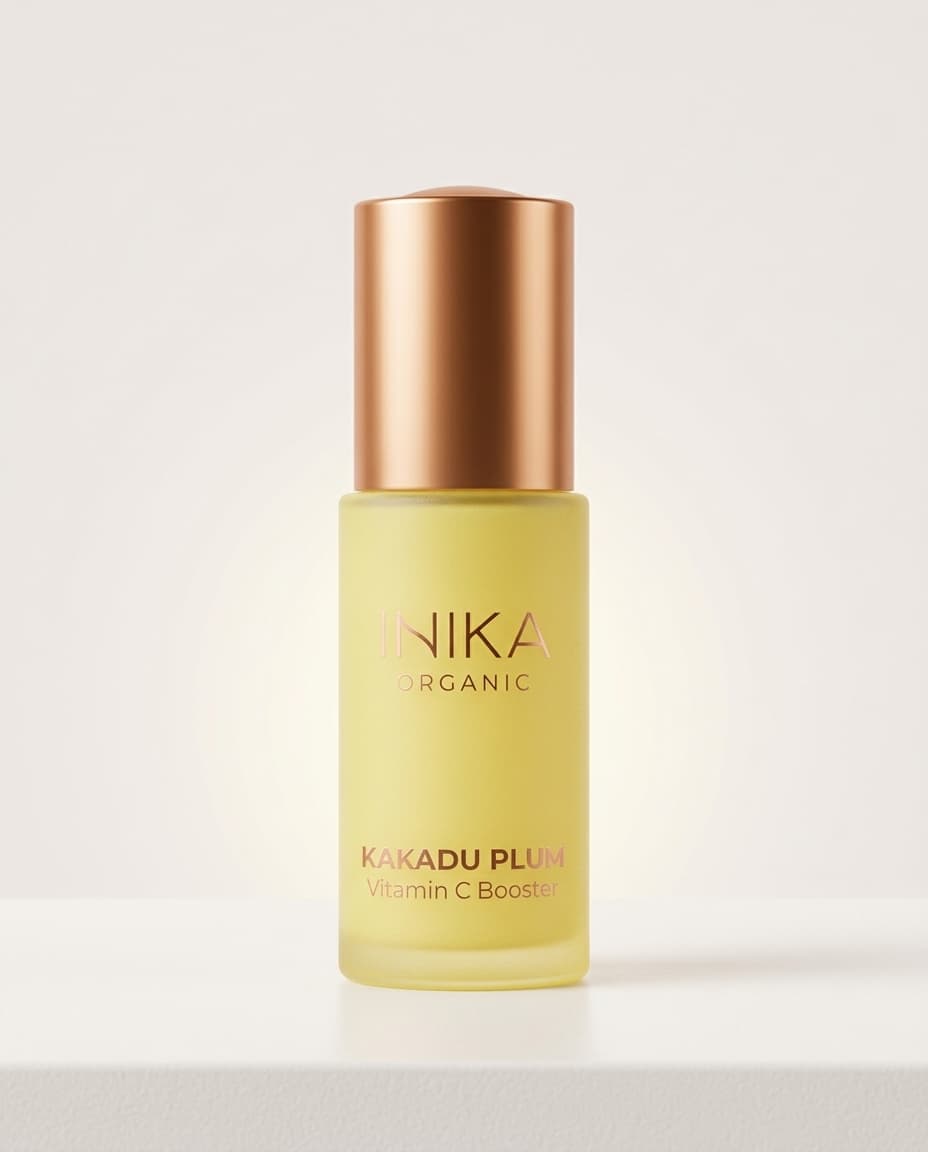
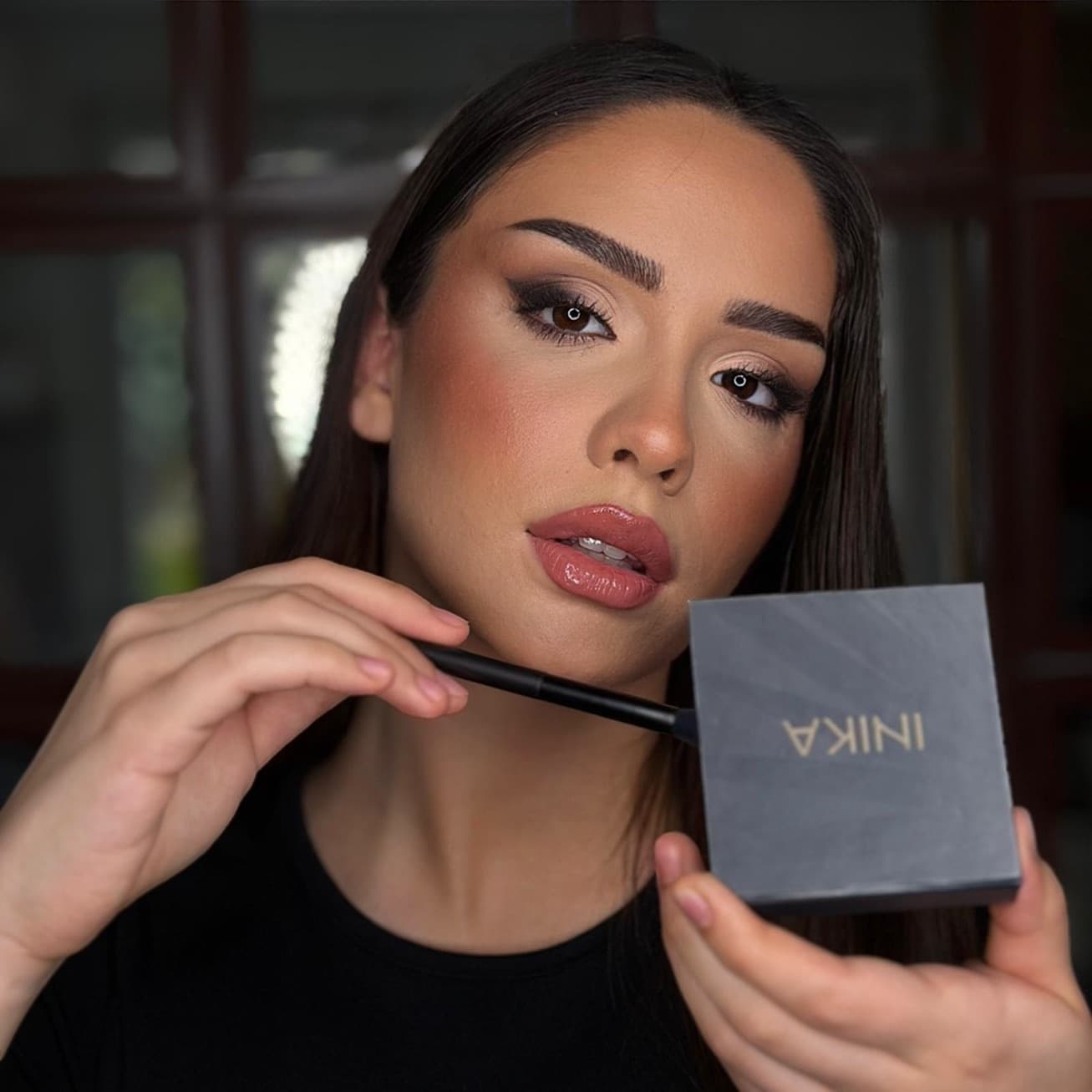
When we decide on a brand to carry, one of the first steps is to sit down with the ingredient list. We open "Our Ingredient Promise" on INIKA Organic — a document you can read too. What it says, literally in the original:
"No petrochemicals, synthetic substances or mineral oils. No parabens (butylparaben, ethylparaben, methylparaben, isobutylparaben and propylparaben). No sulphates. No polyethylene glycol (PEGS). No polysorbates. No talc or bismuth oxychloride or harmful fillers. No fragrances or colour components of non-organic or synthetic origin. No chelating agents based on EDTA and its salts."
In English: no petrochemicals, synthetic substances, or mineral oils. No parabens (butyl-, ethyl-, methyl-, isobutyl- and propylparaben). No sulfates. No polyethylene glycol (PEGs). No polysorbates. No talc, bismuth oxychloride, or harmful fillers. No fragrances or color components of non-organic or synthetic origin. No chelating agents based on EDTA.
All six categories we talked about in this text — and some more — are explicitly excluded.
It's not marketing. It's a document you can open and read. INIKA Organic is certified as Certified Organic (ACO), Vegan, Cruelty-Free, and Halal.
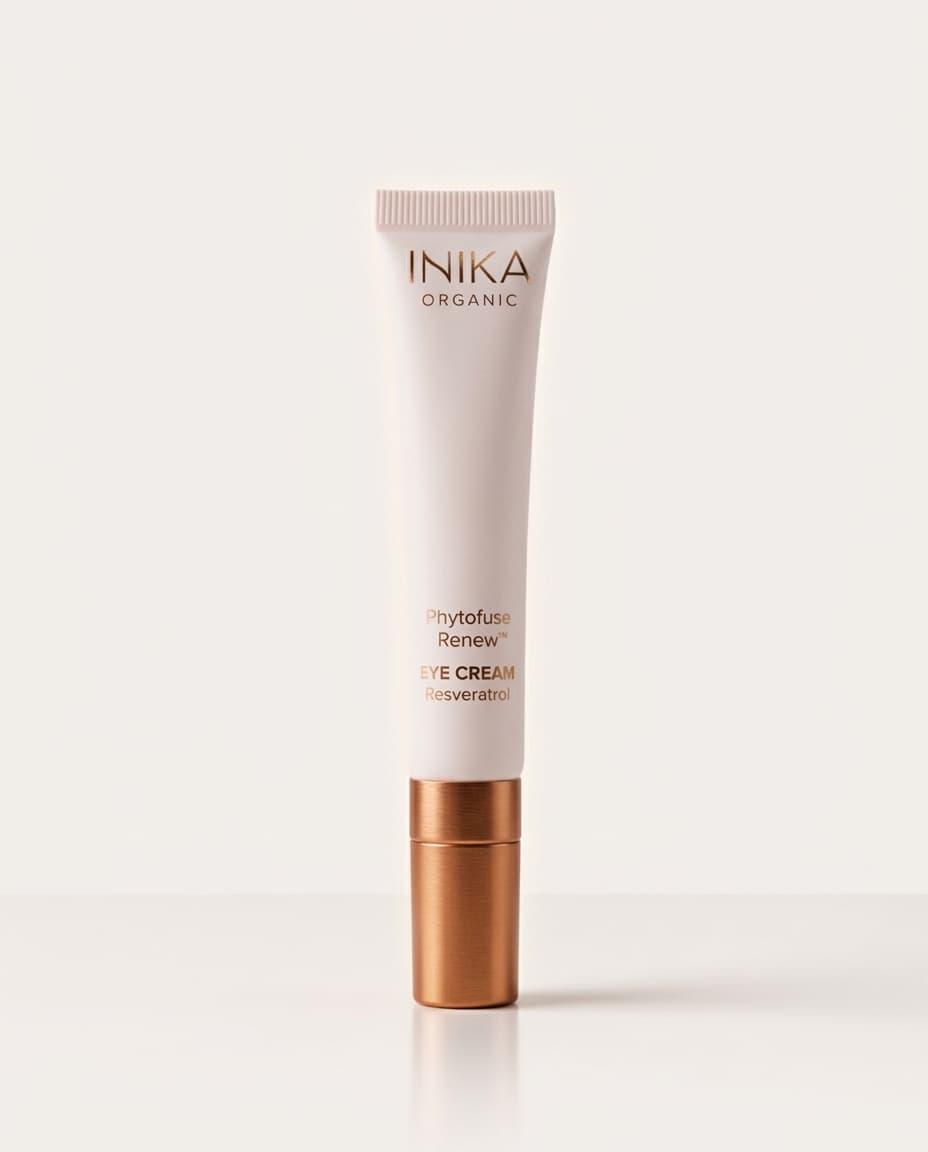
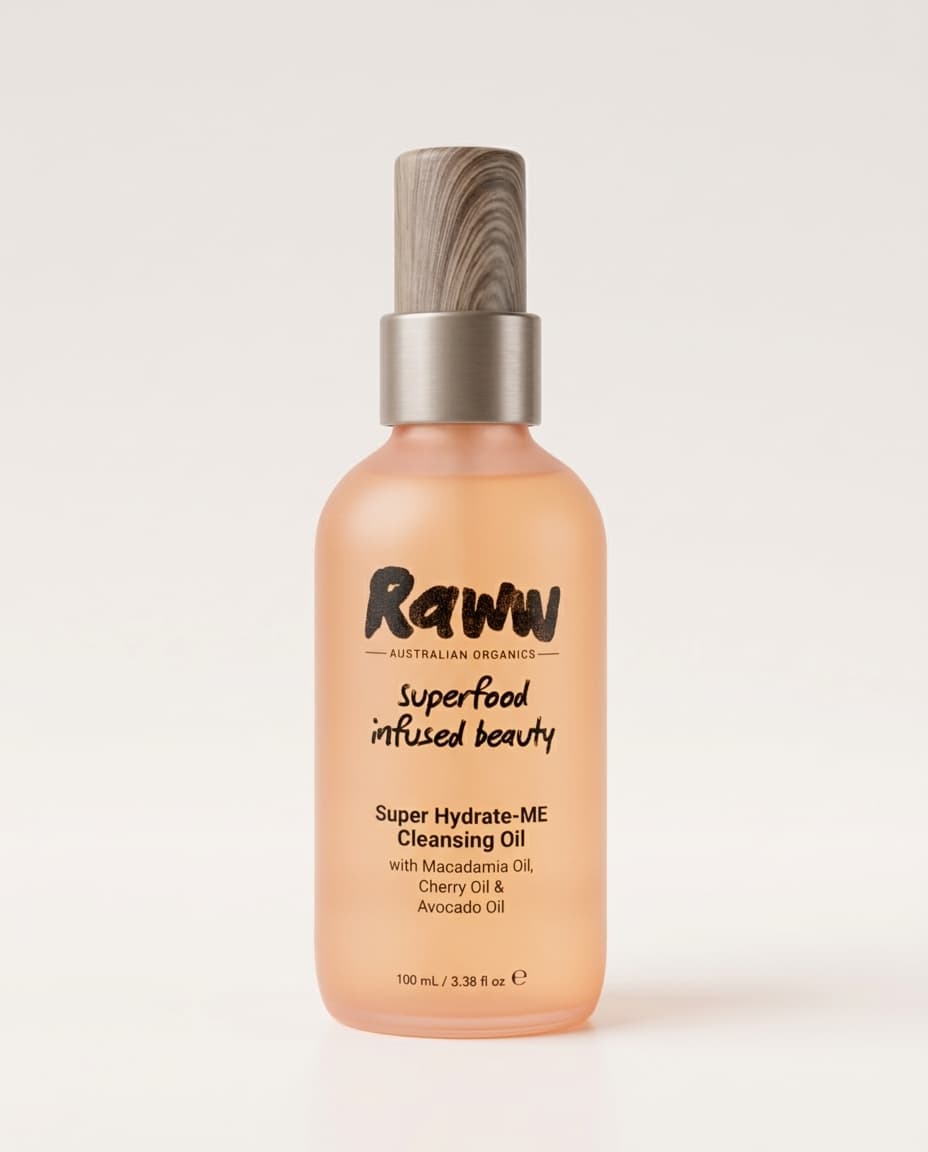
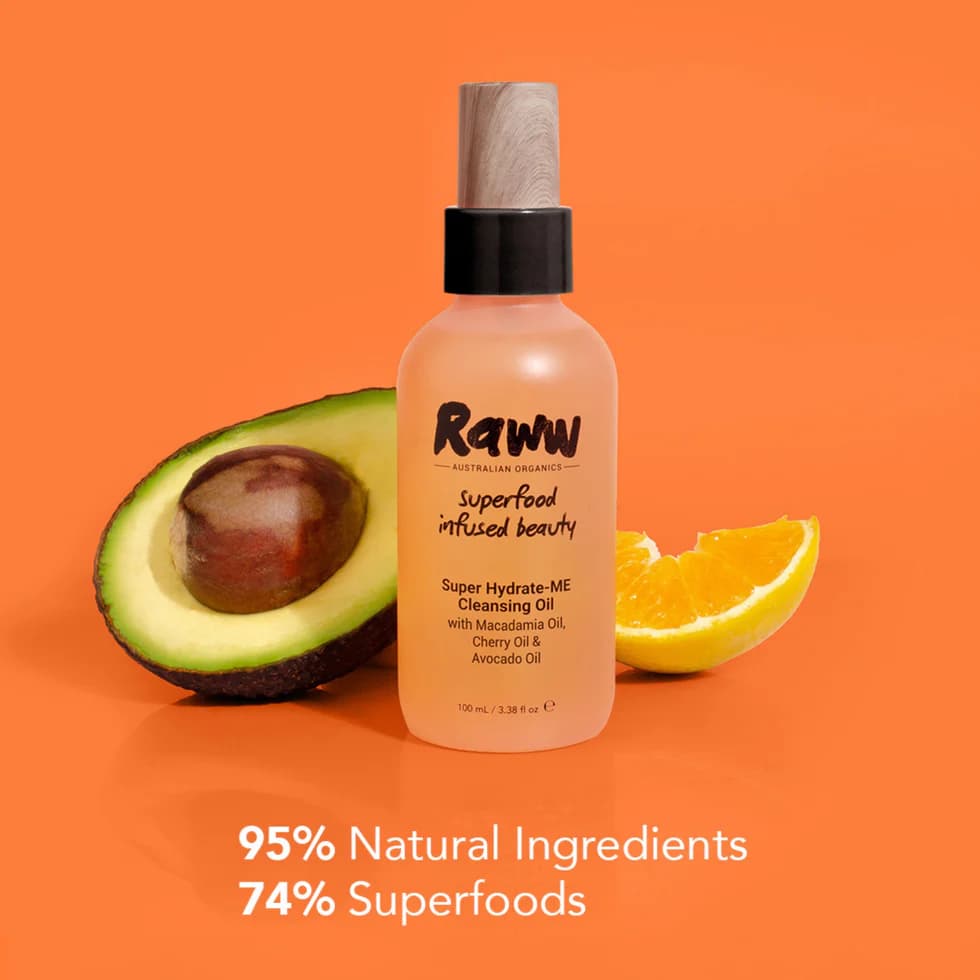
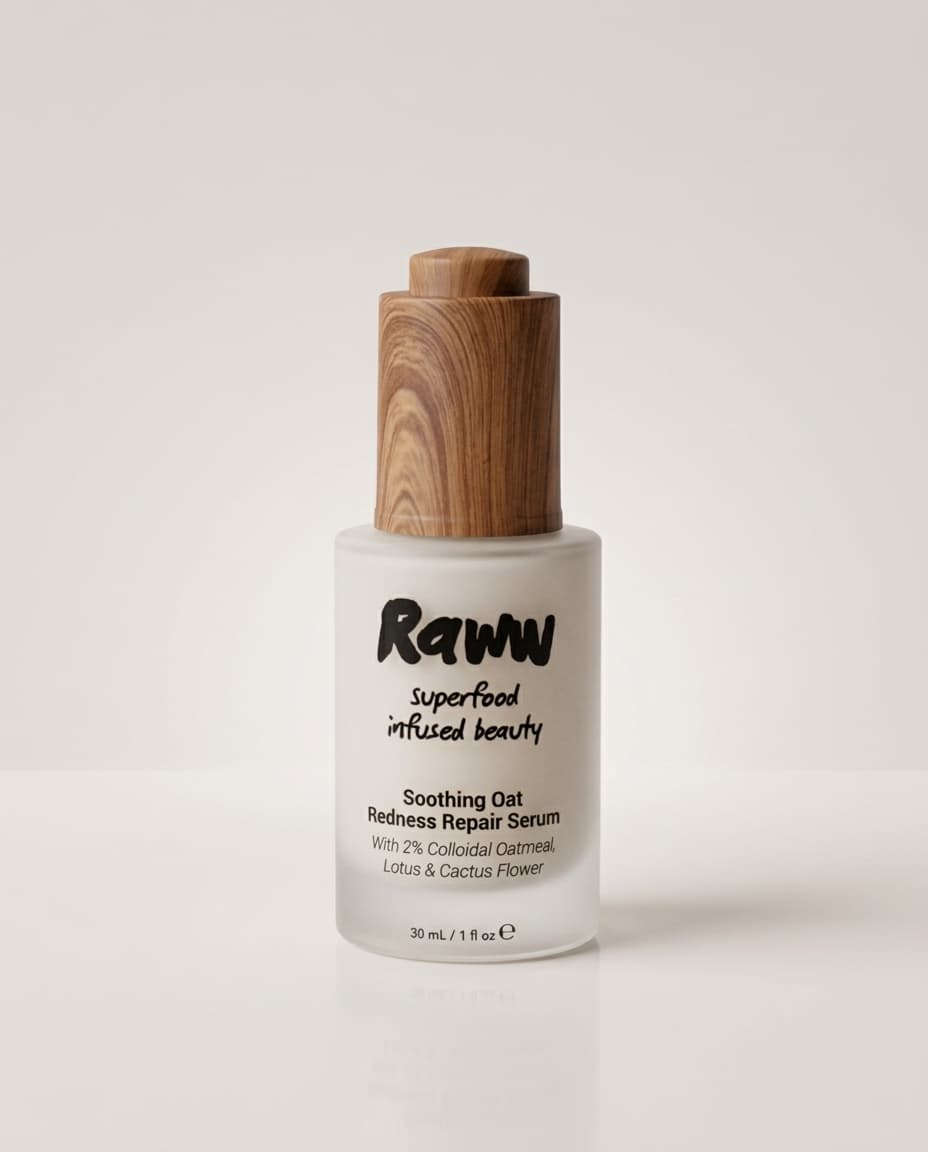
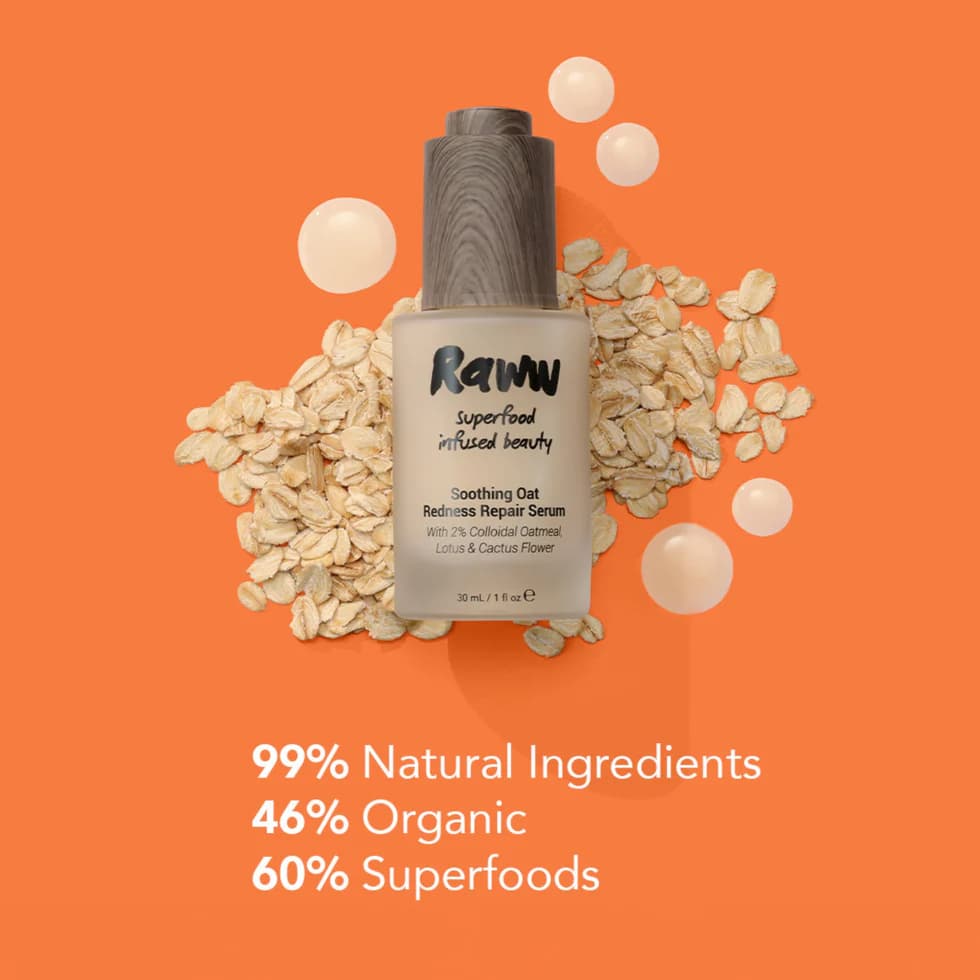
We carry both INIKA Organic and RAWW for the same reason — brands that not only look good on the skin but also benefit it long-term. Our products are put to the same test: if you read the ingredient list, you won't find any of the six we talked about.
It's not perfection. Nor do we claim to be "the best". Simply put — we've already done that reading for you. If you want to browse INIKA's certified organic products, we know exactly what you'll find on the back of each package. And that's a start.
This is the same logic we demonstrate in our text on how the halal certificate for cosmetics tracks every ingredient — certifications are not marketing labels, but documented oversight of what goes into the bottle. Recognizing on the label is the same skill: you read, you check, you know.
For those who want to take another step in the same direction, read the text on natural alternatives to synthetic active ingredients — how bakuchiol does what retinol does, without the same stress on the skin.
Sources
- Exposures Add Up — Survey Results, Environmental Working Group, 2004 — Research on which the "168 unique ingredients daily" statistic is based.
- Endocrine-Disrupting Chemicals (EDCs) — Endocrine Society — Definition of endocrine disruptors and a list of relevant cosmetic ingredients (parabens, phthalates, UV filters).
- Reduction of daily-use parabens and phthalates reverses accumulation of cancer-associated phenotypes within disease-free breast tissue of study subjects — Dairkee et al., Chemosphere, 2023 (PubMed 36746253) — Key peer-reviewed study on the long-term effect of daily-use parabens/phthalates and measurable reversal after 28 days.
- The Toxic Twelve Chemicals and Contaminants in Cosmetics — Environmental Working Group — Specific classification of isobutyl-/isopropyl-parabens and DBP/DEHP phthalates as hormone and reproductive system disruptors.
- Long-term repetitive sodium lauryl sulfate-induced irritation of the skin — Branco, Lee, Zhai, Maibach, Contact Dermatitis, 2005 (PubMed 16283906) — In vivo evidence of irritant contact dermatitis from SLS at concentrations of 0.025–0.075%.
- Phthalates — Safe Cosmetics / Breast Cancer Prevention Partners — Source for the health effects of DEP/DBP/DEHP, the EU ban, and the "Not Too Pretty" report on hidden phthalates in "parfum".
- Formaldehyde And Formaldehyde-Releasing Preservatives — Safe Cosmetics — NTP and IARC classification of formaldehyde as a carcinogen, EU ban, list of formaldehyde-releasers (quaternium-15, DMDM hydantoin, imidazolidinyl/diazolidinyl urea).
- Contact allergy to fragrances: current clinical and regulatory trends — Uter W., Allergologie Select, 2017 (PMC6040011) — Epidemiology of contact allergy to fragrances (1–3% general population, 4.5–14.8% European dermatological patients).
- Toxicopathological Effects of Oxybenzone on Coral Planulae — Downs et al., 2015 (PubMed 26487337) — Primary study on estrogen-mimicking effects of oxybenzone in mammals and fish; context for the Hawaii ban of 2018 (reef-oriented).
- CDC: Americans Carry Body Burden of Toxic Sunscreen Chemical — EWG summary of Calafat AM, Wong L-Y, Ye X, Reidy JA, Needham LL. Concentration of the sunscreen agent, benzophenone-3, in residents of the United States: National Health and Nutrition Examination Survey 2003-2004. Environmental Health Perspectives, 2008. — Human-oriented evidence of systemic exposure: oxybenzone in the urine of 97% of 2,500 tested Americans.
- Regulation (EC) No 1223/2009, Article 3 — Safety — Legal basic text from the EU requiring cosmetic products on the market to be safe for human health.
- Commission Regulation (EU) No 1004/2014 — EU restriction of butylparaben and propylparaben to 0.14% maximum and ban in baby products.
- Our Ingredient Promise — INIKA Organic — Brand verification of the INIKA "free from" list we cite in the closing section.