
It's not real skincare if you do one thing in the morning and undo everything at night. There are eight things every serious dermatologist would put at the top of the "don't do" list — some are bad habits, and some are products that simply don't belong on your face.
For each of these points, we consulted expert sources: the American Academy of Dermatology (AAD), medical studies, or renowned dermatologists. No panic and no intimidation. This is just what you need to know so you don't work against your own skin.
1. Don't go to bed with makeup on — not even "just once"
Even non-comedogenic makeup clogs the skin when you wear it for eight hours in bed. AAD experts are clear: even the lightest makeup can cause acne if you sleep with it on. Mascara that dries overnight clogs eyelash follicles and can lead to styes or inflammations. And that thin layer of oil and city grime that accumulates throughout the day? It sits on your skin while you sleep instead of being washed off.
Dr. Julia Fisher from New York puts it even more simply: "I would never go to bed without washing off my makeup. Dirt, oils, and pollution accumulate on the skin." When you're too tired, at least do the minimum. Swipe your face with micellar water on a cotton pad or with a gentle oil-based cleanser. Any step is better than none.
2. Don't pick pimples with your fingers
You know you shouldn't, but you still do it. The pressure from your fingers doesn't actually remove the pimple completely — half of the content comes out, but the other half goes even deeper into the skin.
With this, you expose yourself to two risks. In the short term, you can introduce an infection from the bacteria on your unclean hands. In the long term, you risk permanent scars. Scars are not a myth; they are the reason why dermatologists use sterile instruments and make a professional assessment before cleaning anything.
What to do instead? Apply a salicylic acid treatment (1–2%) directly to the pimple or apply a warm compress for 10 minutes. It will subside on its own, without leaving a scar.
3. Don't rinse your face with hot water

Studies show that exposure to hot water is a shock to the skin. In simple terms — hot water more than doubles moisture loss, disrupts the natural pH, and causes redness.
The temperature your face likes is "lukewarm" — water in which you can calmly hold your hand without having the reflex to pull it away. Showering in thick steam is the worst place to wash your face. Change the order: wash your face first with lukewarm water at the sink, then get under a warm shower.
4. Don't scrub your face with harsh exfoliants (salt, sugar, nuts)
Dr. Mariana Atanasovski is direct: "I would never use such harsh exfoliants. They scratch the skin, like passing sandpaper over your face." Grains from ground nuts, apricot kernels, salt, and sugar have sharp edges that create microscopic cracks in the skin's protective barrier. This will only further irritate the skin and cause new inflammations.
This doesn't mean physical exfoliation is forbidden, but choose wisely. Use gentle jojoba beads, a konjac sponge, or a soft microfiber towel. Chemical exfoliants with low concentration (e.g., lactic acid), once a week, are also an excellent alternative. The problem is not exfoliation — the problem is scrubbing.
5. Don't put toothpaste or hydrogen peroxide on pimples
Both are classic internet myths, and both are harmful. Toothpaste is formulated for teeth and contains abrasives, fluoride, and menthol. As Dr. Samantha Stein explains, these ingredients are too aggressive and not safe at all for the delicate skin on the face.
Hydrogen peroxide is even worse. It kills bacteria, but it doesn't distinguish between "bad" and "good." While you're drying out the pimple, you're also destroying the good bacteria that protect your skin from future inflammations.
Your alternative: ready-made serums with salicylic or azelaic acid. They are clinically proven and do not destroy the natural flora of the skin.
6. Don't wash your face with body soap
Body soap is designed to be alkaline (pH around 9), while facial skin is slightly acidic (pH around 5.5). Every wash with body soap breaks down the natural protective barrier of the face. Additionally, sulfates (like SLS) that create rich lather in soaps and shampoos are proven to cause irritation if used daily on the face.
The solution is simple: use a gel, milk, or gentle foam designed exclusively for the face, which is pH-balanced. Leave body soap for the body.
7. Don't experiment with TikTok DIY treatments

Social media constantly recycles old mistakes as new trends. Dermatologists consistently warn against these dangerous DIY methods:
At-home microneedling (dermarolling): Professional treatments are performed with sterile instruments and controlled depth. At home, you use non-sterile tools that create hundreds of tiny wounds on your face, exposing yourself to a huge risk of infection.
Hot peppers for plump lips: Capsaicin irritates the skin and causes swelling that can result in contact dermatitis and dark spots that last for months.
Lemon juice for spots: Lemon is extremely acidic and contains compounds that react to the sun, causing severe burns. Just because something is "natural" doesn't mean it's safe for your face.
Online-bought fillers: If a professional dermatologist wouldn't inject something into themselves at home, you shouldn't even think about it.
8. Makeup and towels are personal — don't share them
Your makeup brushes should be yours alone. While acne isn't contagious, when you share brushes or sponges, other people's bacteria, dead cells, and oils end up directly on your face.
The same applies to hygiene at home:
- Change your face towel every 2–3 days (and never use the hand towel).
- Wash your pillowcase twice a week, especially if you use rich night creams. Your face spends eight hours in contact with that surface.
Bonus — don't skip SPF (even when it's cloudy)

This isn't an "eighth" point — this is the foundation. Everything else you do for your face falls apart if you don't wear SPF. Long-term studies prove that regular use of sunscreens significantly slows down skin aging.
You don't wear SPF just to avoid getting sunburned at the beach, but to protect your skin from premature aging and hyperpigmentation. UVA rays penetrate clouds and windows. If you have sensitive skin, look for mineral SPF (with zinc oxide or titanium dioxide) which doesn't cause irritation.
How we at NOMI & YOU see this
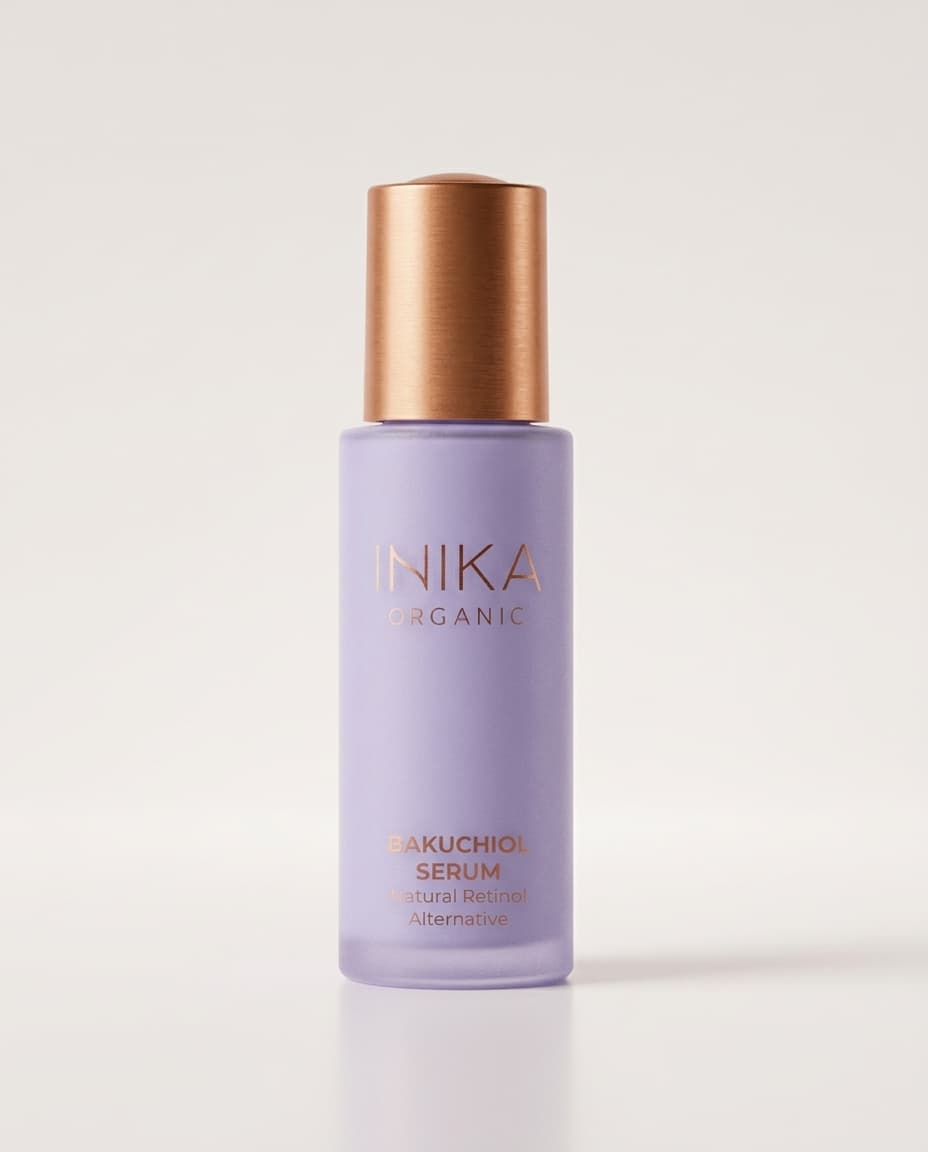
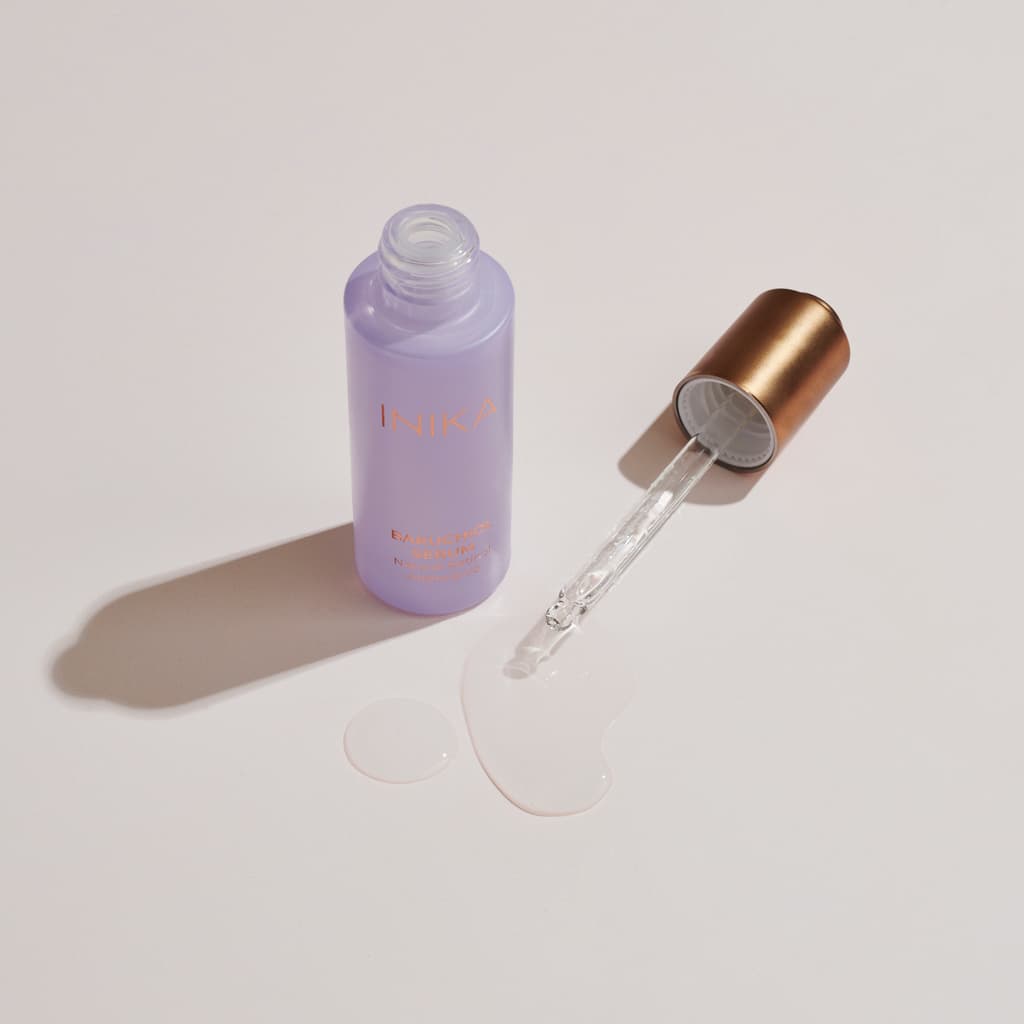
 INIKA OrganicBakuchiol Serum — natural retinol alternative4.034 ден 4̶.̶9̶2̶0̶ ̶д̶е̶н̶View
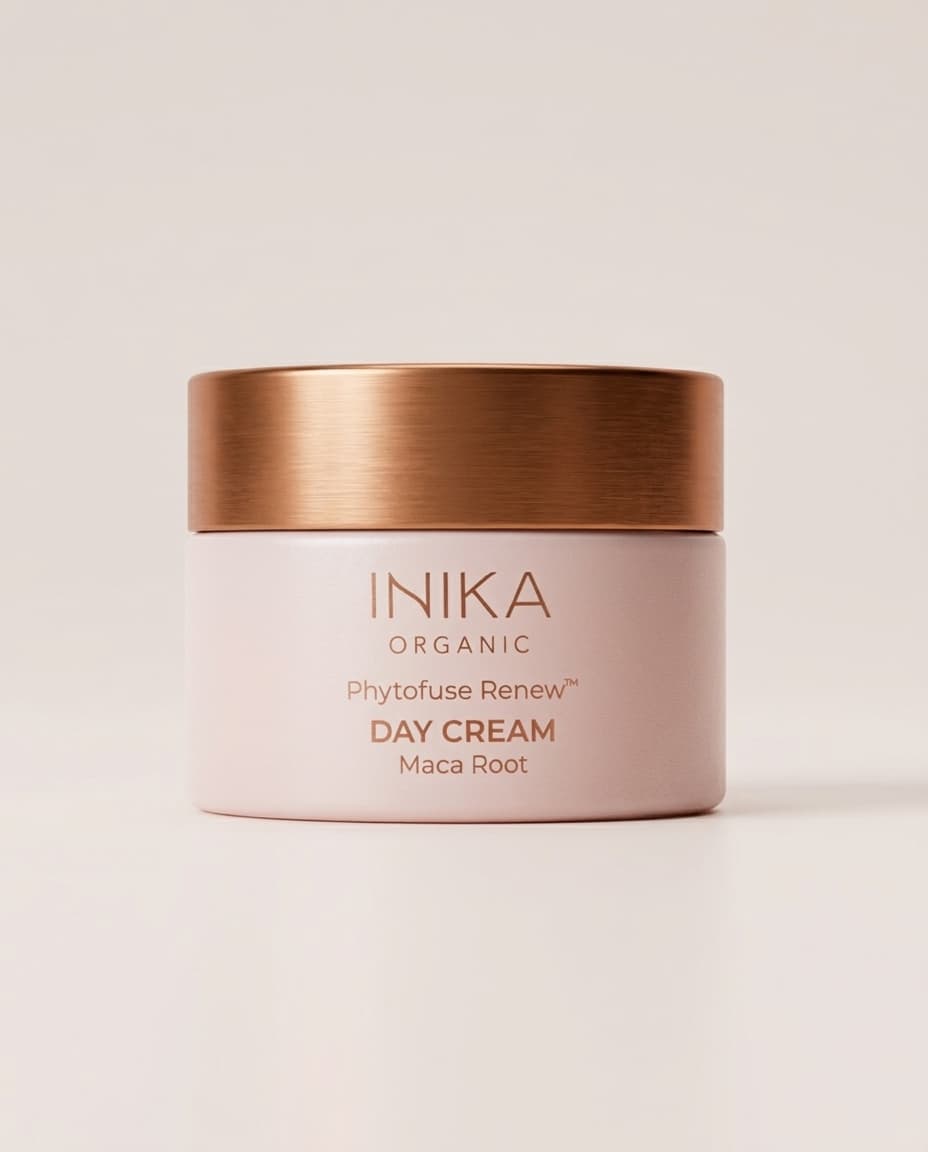
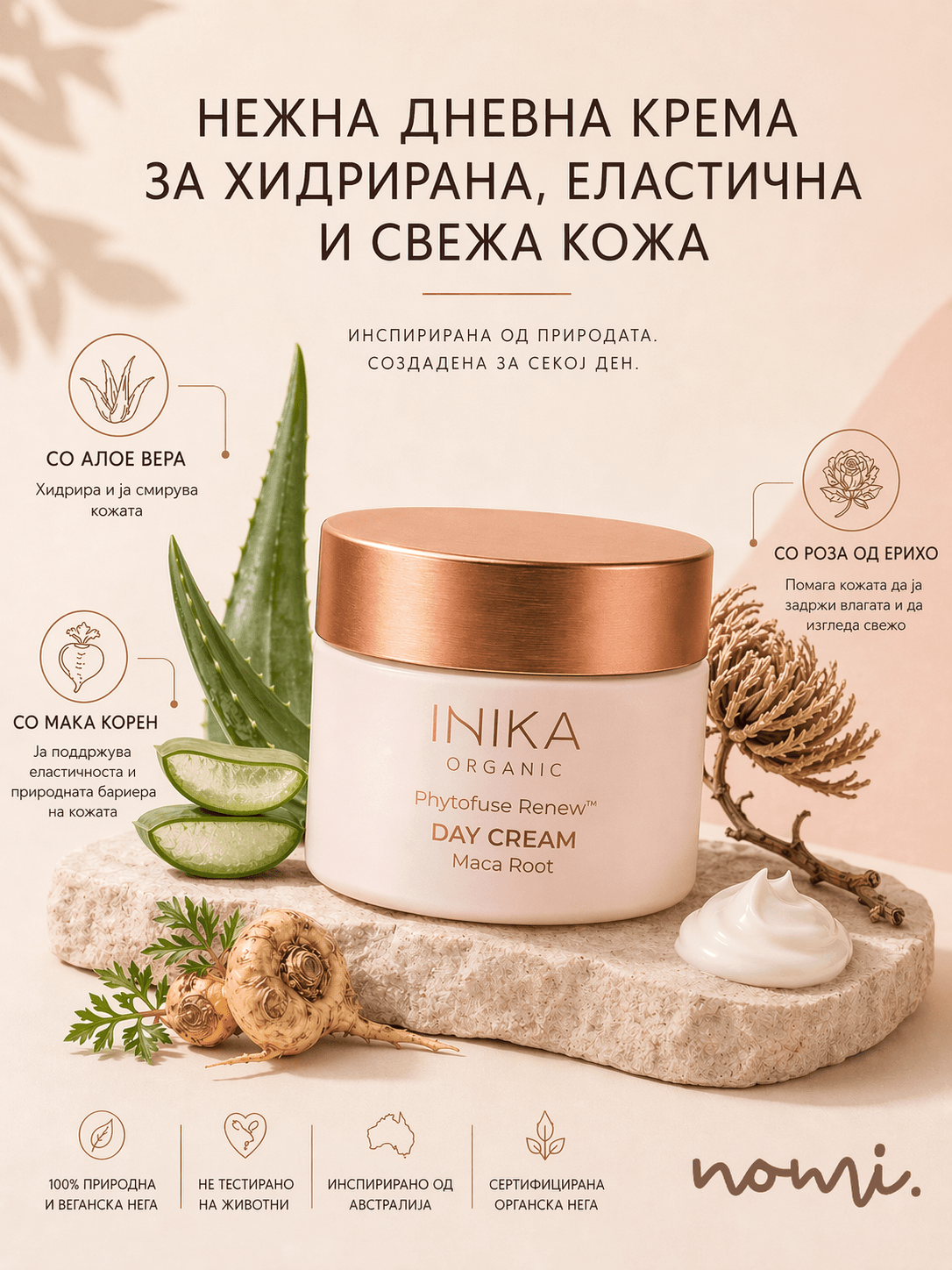
INIKA OrganicPhytofuse Renew Day Cream3.791 ден 4̶.̶4̶6̶0̶ ̶д̶е̶н̶View
INIKA OrganicBakuchiol Serum — natural retinol alternative4.034 ден 4̶.̶9̶2̶0̶ ̶д̶е̶н̶View
INIKA OrganicPhytofuse Renew Day Cream3.791 ден 4̶.̶4̶6̶0̶ ̶д̶е̶н̶View
That's why the philosophy behind NOMI & YOU is simple: less aggression, more smart care. We don't suggest DIY experiments, harsh mechanics, or overly strong concentrations.
The brands we offer — like INIKA Organic and RAWW — are created to do more with less. These are certified organic formulations, with active ingredients tested for sensitive skin, without the need for a second, more aggressive step.
INIKA Phytofuse Renew Day Cream offers hydration and anti-aging protection in one step. INIKA Bakuchiol Serum is the perfect natural alternative to retinol — it delivers clinically proven results, but without redness, irritation, or photosensitivity.
You don't need to complicate things. You simply need to stop doing things that harm your skin.
If you want to find out what shouldn't be in your cosmetics, read our complementary article: 6 ingredients you should never put on your skin.
Discover our INIKA Organic collection. Without intimidation. With fully transparent labels.